
Pancreatic Cancer Treatment in Lahore

Advanced Pancreatic
Cancer Treatment in Lahore with Precision & Care

LifeBridge Transplant replaces fear with hope and uncertainty with a clear, surgical roadmap. Led by Dr. Faisal Hanif, one of Pakistan’s most distinguished transplant and HPB surgeons, it offers a lifeline to those seeking the highest standard of pancreatic cancer treatment in Lahore.

Book Your Consultation Today

Call our Helpline:

03331879497

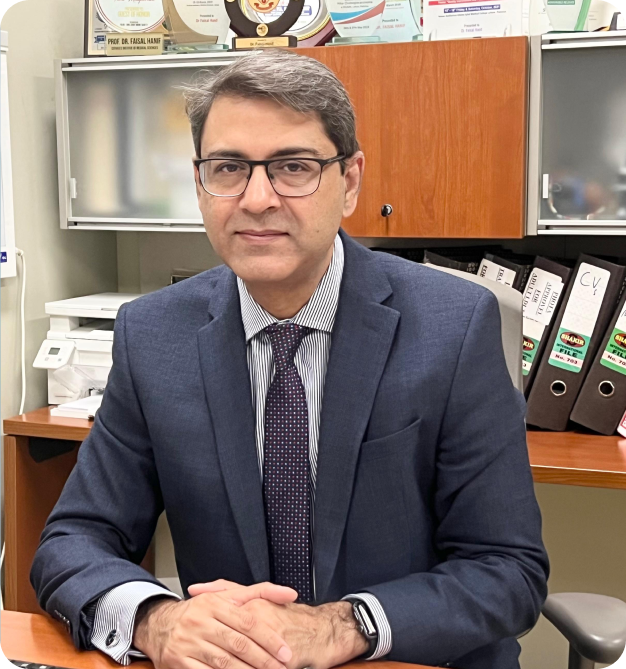
Meet Dr. Faisal Hanif A Name, Patients Trust

With more than 25 years of expertise, Dr. Faisal Hanif is a world-trained specialist in liver, pancreas, and transplant surgery. He completed his MBBS from Nishtar Medical College in Multan. He then traveled abroad to become an expert in the field of transplant surgery. Prestigious international credentials that Dr. Faisal carries include an MD (UK), FCPS, FRCSI, FRCS (Glasgow), and the Intercollegiate Board FRCS in General Surgery and Transplant. Additionally, he has worked as a consultant liver, hepatobiliary, and transplant surgeon in some of the best hospitals in Pakistan and the United Kingdom. He can treat patients with complicated pancreatic diseases because of his vast experience.

At LifeBridge Transplant, Dr. Faisal brings global expertise to Pakistan. He founded this centre to provide world-class treatment for the diseases of the liver, pancreas, gallbladder, kidney, and bile ducts. At LifeBridge Transplant Centre, advanced surgical facilities are available with a highly trained professional team. All pancreatic disorders are treated with precision and gentleness for each patient. Complex and risky pancreatic cancer procedures are successfully carried out here by Dr. Faisal Hanif. He has been a consultant at Shaukat Khanum Memorial Cancer Hospital. That’s why he can effectively treat pancreatic cancer and assist his patients in regaining their health.

Dr. Faisal Hanif

Founder, LifeBridge Transplant 

MBBS, FCPS, FRCS (Ireland & Glasgow), MD (UK), CCT (UK)

International Standards. Trusted Credentials.

Dr. Faisal Hanif and LifeBridge Transplant are affiliated with the world’s most respected surgical bodies, ensuring that your treatment follows the latest global protocols.

Pancreatic Cancer Treatment in Lahore

Pancreatic cancer is a serious condition that is also known as a “silent” disease. This is because it only develops symptoms in the later stages when it has become serious and lethal. There are different types of cancer of the pancreas, including exocrine tumors, endocrine tumors, and others. Moreover, there can be different stages of pancreatic cancer, from localized to advanced. Common symptoms patients feel include weight loss, jaundice, and digestive problems. This cancer can be detected through diagnostic tools such as imaging, ultrasound, blood tests, and biopsy, etc. However, a diagnosis is not the end of the road. Treatment of pancreatic cancer can become challenging if it is of the advanced stage.

Pancreatic cancer can be treated if the cancer cells are removed from the body. This surgical procedure requires it to be performed by an experienced surgeon like Dr. Faisal Hanif. He offers a beacon of hope for patients by providing highly specialized pancreatic cancer treatment in Lahore at LifeBridge Transplant Center. Dr. Faisal uses advanced techniques with precision and has treated many patients suffering from pancreatic cancer. Patients do not have to travel abroad for pancreatic cancer treatment because world-class facilities and treatment options are available at LifeBridge Transplant Center in Lahore.

Treatment Options for Pancreatic Cancer

At LifeBridge Transplant, the approach is never “one-size-fits-all.” Dr. Faisal Hanif sits down with you and your family to explain every option. Here are the treatment options for pancreatic cancer at LifeBridge Transplant:

Surgical treatment (curative option)

Various types of surgical techniques are employed by Dr. Faisal Hanif to treat pancreatic cancer. They include:

The Whipple’s procedure

It involves removing the pancreatic head by our surgeon, Dr. Faisal Hanif. The gallbladder, a part of stomach, small intestine, and bile duct are among the other organs that are also removed. A part of the pancreas is left behind by Dr. Faisal Hanif to release insulin and digestive juices.

Total pancreatectomy

It is the removal of the entire pancreas, a part of stomach, small intestine, common bile duct, the gallbladder, the spleen, and the lymph nodes. This is recommended for advanced stages of pancreatic cancer.

Distal Pancreatectomy

In this procedure, Dr. Faisal Hanif removes two parts of the pancreas, namely, the body and tail of the pancreas. In some cases, the spleen is also removed if cancer has spread to the spleen.

Extended (Radical) Pancreatic Surgery

This procedure involves the use of surgical approaches exceeding standard resection. Such procedures aim to remove advanced or locally spread pancreatic cancer at LifeBridge Transplant Center.

Palliative Cure

If cancer of the pancreas has spread and can not be removed easily by the above-mentioned procedures, then palliative surgery is preferred. These options relieve symptoms and improve the quality of life of the patient. They include biliary bypass, endoscopic stent placement, or gastric bypass.

Radiation Therapy

Radiation therapy for pancreatic cancer treatment involves the use of high-energy X-rays or other types of radiation to kill cancer cells or keep them from growing.

Chemotherapy

Chemotherapy (also called chemo) for pancreatic cancer treatment uses drugs or medications to stop the growth of cancer cells. These medications will kill the cancer cells of the pancreas or stop them from dividing. For the treatment of pancreatic cancer, tablets or injections are prescribed by our team.

Targeted Therapy

It uses drugs or other substances to identify and attack specific cancer cells, and this type of therapy gives minimal side effects to the surrounding tissues. Combination therapy may also be used, in which different treatment methods are combined to provide the best result to patients.

Immunotherapy

This therapy activates the patient's immune system against cancer cells. This therapy is still under research phase, but has many potential benefits for pancreatic patients.

Whipple’s Procedure

The Whipple’s procedure is considered one of the most complex surgeries in the field of medicine. Another name for it is pancreaticoduodenectomy. In this surgical procedure, firstly head of the pancreas, part of the small intestine, the gallbladder, and the bile duct are removed by the surgeon. After that, the remaining organs are reconnected precisely to allow for normal digestion. It is the only successful treatment for cancers located in the head of the pancreas. This effective procedure targets the cancer at its source, increasing long-term survival of the patient. It is a risky surgery and must be performed by an experienced and skilled surgeon.

Dr. Faisal Hanif has more than 25 years of experience working as a hepato-pancreatic surgeon in Pakistan as well as international hospitals. Therefore, he is a trusted surgeon in Lahore and skillfully performs the Whipple’s procedure, significantly reducing the risks of complications. At LifeBridge Transplant, the Whipple’s surgery in Lahore is performed with advanced anesthesia and ICU support. When you choose LifeBridge, you are choosing a surgeon who has done hundreds of these complex re-connections successfully.

Why Choose Dr. Faisal Hanif for Pancreatic Cancer Treatment?

Dr. Faisal Hanif is chosen by patients across Pakistan as well as internationally because he is:

Pancreatic Cancer: Treated Timely vs Non-Timely

See the difference early, decisive action makes compared to delayed treatmen

Aspect Timely Treatment (At LifeBridge) Non-Timely / Delayed Treatment
Stage of Cancer Detected Early, Localized (Confined to pancreas) Locally Advanced or Metastatic (Spread)
Surgery Eligibility High chance of curative pancreatic cancer surgery (Whipple’s Procedure) Surgery is often not possible
Treatment Options Whipple’s procedure + Chemotherapy, Radiation Only Palliative care / Chemotherapy (No cure)
Spread of Disease Limited/Controlled; No spread to liver/lungs High risk of rapid spread to distant organs (liver, lymph nodes)
Symptom Severity Mild jaundice, manageable pain Severe obstructive jaundice, intractable back pain, and weight loss
Complications Risk Lower risk because the patient is stronger High risk of sepsis, liver failure, or blood clots due to disease progression.
Recovery Outlook Better recovery and rehabilitation More difficult and prolonged recovery.
Quality of Life Generally better maintained Significantly affected; bedridden
Survival Chances 20-40% long-term survival (with modern chemo) <5% survival at 2 years due to late-stage disease
Overall Outcome More favorable with timely intervention, Hope for a cure Less favorable due to delayed treatment, Focus on comfort

Don’t wait for symptoms to worsen. Early detection and Whipple’s procedure for pancreatic cancer can save life

When Whipple’s Procedure Becomes the Best Option

You are likely a candidate for pancreatic cancer surgery if the following points apply to you. Dr. Hanif will review all these factors during your consultation at LifeBridge Transplant:

A multidisciplinary team (Surgeon, Oncologist, Radiologist) agrees that resection is the best option.

Life Before and After Whipple’s Procedure

Life before pancreatic cancer surgery is limited. On the contrary, life after the Whipple’s procedure is worth fighting for. See the table below for a comparison of life before and after the surgery.

Aspect Life Before Surgery (With Cancer) Life After Surgery (Recovery & Beyond)
Energy Levels Extremely low; Chronic fatigue and weakness Gradual improvement in energy and strength to 70-80% of normal
Symptoms Severe back pain, jaundice, itching, loss of appetite, dark urine, discomfort Pain-free after healing; No cancer symptoms. All major symptoms are relieved.
Daily Activities Unable to work; Dependent on family, with difficulty in performing routine tasks Able to walk, drive, and return to hobbies with time
Appetite & Nutrition Nausea; Food aversions, poor appetite, and weight loss. Need digestive enzymes, but can eat normally with guided nutrition.
Emotional State Anxiety, depression, fear of death Relief, gratitude, "Post-traumatic growth." More confidence and hope.
Mobility Bedridden or limited mobility due to illness Increased independence and mobility after recovery.
Medical Dependency Frequent hospital visits for pain relief and symptom management. Regular follow-ups only (every 3-6 months), but with more stable conditions.
Quality of Life Poor (Physical suffering dominates) Good to Excellent (Enjoying family time). Noticeably improved with proper care.

Cancer is treatable, and life can get better after the removal of cancer. Patients should not lose hope and choose to get treatment from Dr. Faisal Hanif to improve their quality of life.

What Our Cancer Survivors Are Saying

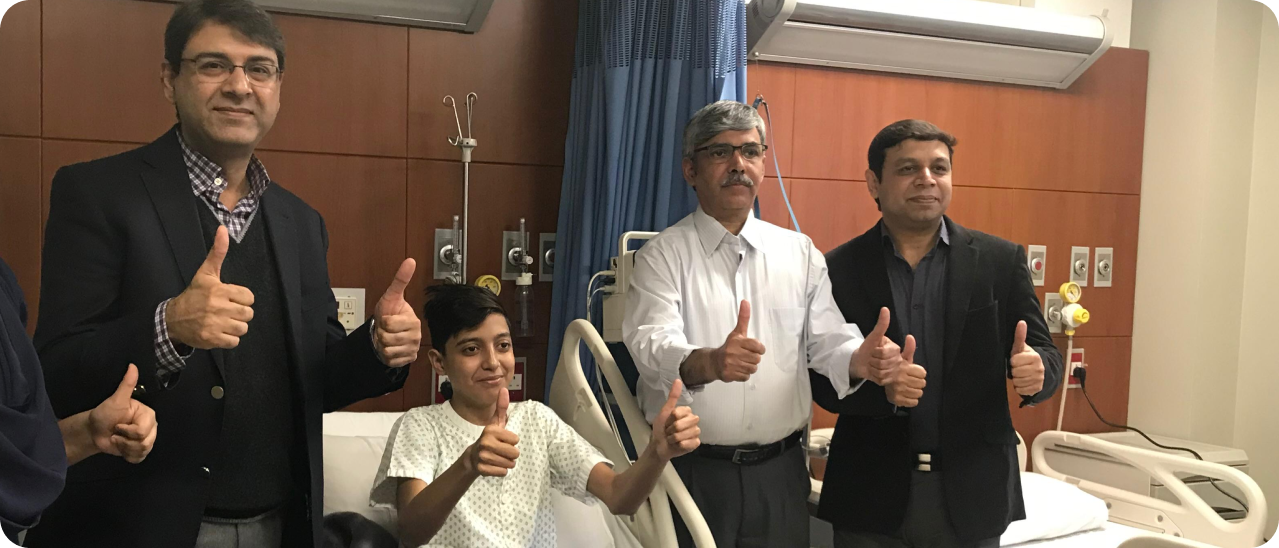
See the reviews of patients who choose Dr. Faisal Hanif to fight against their pancreatic cancer.

Recovery After Pancreatic Cancer Surgery

Recovery after pancreatic cancer surgery is a slow and continuous process that usually includes a hospital stay of 5-7 days. For the first few days, the patient is kept in an ICU. During this time, all the vitals are constantly monitored by the professional and trained team at LifeBridge Transplant. They also observe the pain management closely. It is ensured that your digestive system begins to function again.

After discharge from the hospital, you will be advised by Dr. Faisal to follow a specific nutritional plan at home. Along with a healthy diet, pancreatic enzyme supplements are taken regularly. These enzymes help your body process the food you eat easily. Lifting heavy weights is strictly prohibited during the recovery period. Moreover, proper sleep and wound-care is must till complete recovery. Most patients return to light activities within 4 to 6 weeks. Full recovery after a pancreatic surgery may take a few months because the healing process is slow. Dr. Faisal Hanif provides a detailed precautionary strategy, including regular scans and blood tests, to monitor your progress and ensure long-term health.

Pancreatic Cancer
Surgery Cost in Pakistan

The cost of pancreatic cancer surgery is a significant concern because this surgery is usually more costly than other normal surgeries. However, different factors contribute to the cost of pancreatic cancer surgery. These include the complexity of the case and whether vascular reconstruction is required or not. Moreover, the quality of care at the hospital, the surgeon’s fees, anesthesia fees, charges of the operating room, stay in the hospital after surgery, including ICU stay, and regular room stay all contribute to the cost.

In addition,  the total cost of the treatment also includes the medication and chemotherapy costs. All these factors make the pancreatic cancer surgery costly. However,  the cost does not matter more than the health of the patient. At LifeBridge Transplant Centre, the life and health of the patient matters that is why we provide international-standard treatment for pancreatic cancer.  The cost of surgery is discussed clearly with the patient without any hidden charges, so that the patient focuses on treatment rather than on the cost.

Advanced Hospital Facilities

LifeBridge Transplant offers:

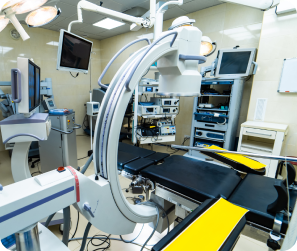
Modern surgical theaters

Advanced diagnostic equipment

Comfortable patient care rooms

Expert medical staff

Every detail is designed to ensure safety, comfort, and success.

Restoring Health, Renewing Lives

Pancreatic cancer is a serious complication. It is natural to feel hopeless when diagnosed with cancer because people believe that there is no cure for cancer. However, due to the advancement of technology, a cure for cancer is now possible. Although the treatment of pancreatic cancer requires an expert surgeon and is a complicated and risky process, a surgeon like Dr. Faisal Hanif with more than 25 years of experience can do it perfectly. The patient should not lose hope and get the treatment as soon as possible. LifeBridge Transplant Center has seen countless patients who are living healthy lives after surgery. You can also get complete support from diagnosis to treatment and full recovery at our center. Healing is possible, and your journey toward recovery starts with a single conversation. Book a consultation with Dr. Faisal Hanif and heal yourself in time.

Visit Us in Lahore:

LifeBridge Transplant is conveniently located in Lahore, providing easy access for patients across Pakistan.

FAQs About
LifeBridge Transplant

What kinds of surgeries are done for pancreatic cancer?

Pancreatic Surgery can be of different kinds. Surgery depends on the location of the tumor, whether it is localized or spread. The Whipple’s procedure is done for the head of the pancreas, distal pancreatectomy for the body and tail, or total pancreatectomy if it is totally damaged.

Whipple’s surgery in Lahore is recommended for a patient if their tumour is strictly localized in the head of the pancreas, in the ampulla of Vater or second part of duodenum.

The Whipple’s procedure typically takes 4 to 6 hours. It is long because this surgery needs precision. The tumor must be removed completely. And the healthy tissue near the tumor should not be damaged.

The risks associated with the surgery include leakage from the newly formed pancreatic connection, known as pancreatic leak. Some patients are also likely to experience some bleeding and infection if they do not seek medical attention after the surgery. However, the risk is minimal due to the international training of Dr. Faisal Hanif.

Most patients do need chemotherapy. It is not performed right after surgery. In a follow-up schedule after 4-6 weeks of surgery, Dr. Faisal Hanif recommends chemotherapy to kill any remaining cancer cells left. The advantage of this chemotherapy is the complete removal of any microscopic cancer cells left.

A big drawback of cancer cells is that they can regrow. So, the risk of recurrence is also present in the case of pancreatic cancer. To avoid the growth of cancer cells, the patient must be scanned regularly. After the removal of the main tumor, the patients must be tested and must consult Dr. Faisal Hanif to be healthy and free from tumors.

Visit LifeBridge
Transplant Clinic

We are located in a convenient and accessible area. We have ample parking
space and a secure environment. Click on the map below to find us easily. 

Call Now Button